




Paintless Dent Repair
Paintless Dent Repair That Protects Factory Paint

FSDAVCFEBFEVSDDVFSD

FSDAVCFEBFEVSDDVFSD

FSDAVCFEBFEVSDDVFSD
How Paintless Dent Repair Works on Your Vehicle
Paintless dent repair is a method of removing dents without touching the paint surface. Instead of sanding, filling, or repainting, a trained technician accesses the back side of the damaged panel and carefully works the metal back to its original shape. The result is a repair that preserves your factory finish completely while restoring the panel to how it looked before the damage.
This approach works because modern vehicle paint has enough flexibility to allow the underlying metal to be moved without cracking or separating. When the dent is not too deep and the paint has not been compromised, PDR produces results that are often impossible to distinguish from the original factory panel. It is faster than traditional repair, costs less, and keeps your vehicle's value intact by avoiding the need for repainted surfaces.
How Paintless Dent Repair Works on Your Vehicle
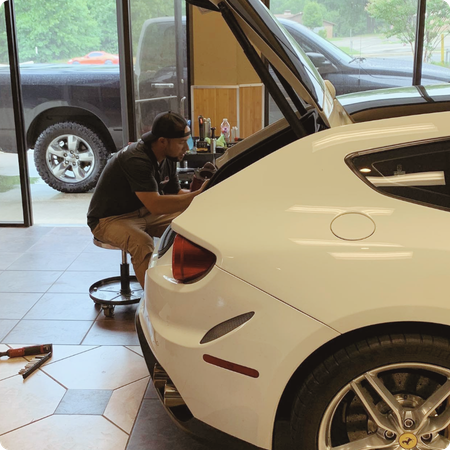
Paintless dent repair is a method of removing dents without touching the paint surface. Instead of sanding, filling, or repainting, a trained technician accesses the back side of the damaged panel and carefully works the metal back to its original shape. The result is a repair that preserves your factory finish completely while restoring the panel to how it looked before the damage.
This approach works because modern vehicle paint has enough flexibility to allow the underlying metal to be moved without cracking or separating. When the dent is not too deep and the paint has not been compromised, PDR produces results that are often impossible to distinguish from the original factory panel. It is faster than traditional repair, costs less, and keeps your vehicle's value intact by avoiding the need for repainted surfaces.
Why PDR Is Better Than Traditional Body Repair
Paintless dent repair has grown significantly as a preferred method because it solves a real problem for vehicle owners. Traditional repair shops often require paint matching, filler application, and multiple days in the shop. That process works for severe collision damage, but it is unnecessary for most everyday dents. PDR skips those steps entirely and focuses on restoring the metal itself.
The technique has been used in the auto industry for decades and has become more precise as tools and training have improved. A skilled technician can work dents out of tight areas, along body lines, and even near edges where access is limited. The training required to do this well is substantial, and the difference between a properly trained technician and an untrained one shows in the final result.
For vehicle owners in Tyler and the surrounding East Texas area, having access to a qualified PDR specialist means your car does not have to go through an unnecessary full repaint every time a dent appears. That saves money, preserves your paint, and keeps repair times short.
What Happens During a PDR Appointment
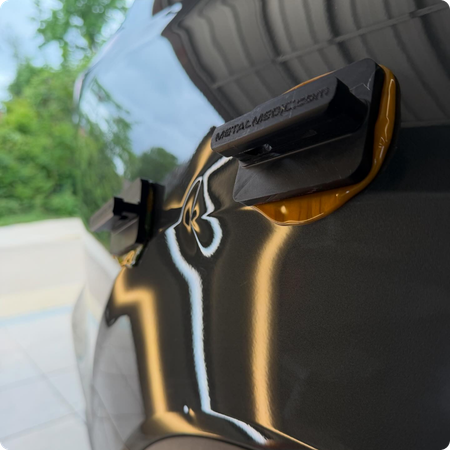
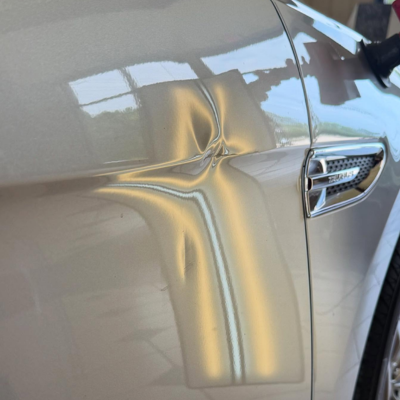
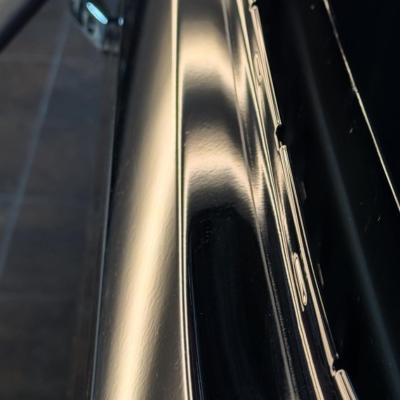
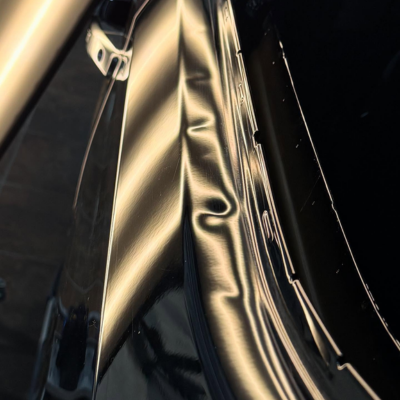
When you bring your vehicle in, the first step is a full assessment of the damaged area. A technician uses a specialized light board to see the exact contour of each dent. This shows the depth, edges, and any irregularities that might affect how the repair is approached. It is a thorough look before any tools are applied.
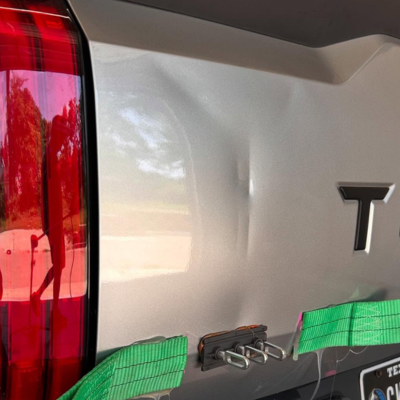
From there, the technician selects the right tools and carefully works the metal back into place from behind the panel. The process requires patience and precision because the goal is a result that is indistinguishable from the original surface. Paint is never touched during this process.
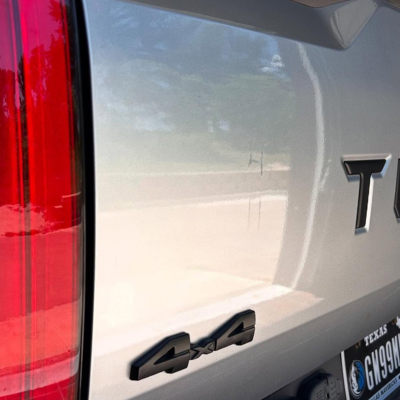
Once the repair is done, the panel is inspected again under the same light to confirm the result. You are welcome to review the work before you leave. Our team does not consider a job finished until the panel looks right.
What Happens During a PDR Appointment
When you bring your vehicle in, the first step is a full assessment of the damaged area. A technician uses a specialized light board to see the exact contour of each dent. This shows the depth, edges, and any irregularities that might affect how the repair is approached. It is a thorough look before any tools are applied.
From there, the technician selects the right tools and carefully works the metal back into place from behind the panel. The process requires patience and precision because the goal is a result that is indistinguishable from the original surface. Paint is never touched during this process.
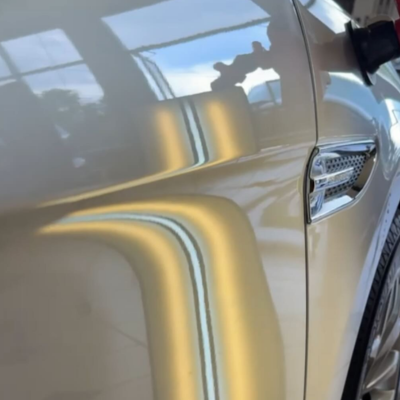
Once the repair is done, the panel is inspected again under the same light to confirm the result. You are welcome to review the work before you leave. Our team does not consider a job finished until the panel looks right.
When a panel has multiple dents close together, the order of repair matters. Our team maps each dent before starting so the metal moves back into place correctly. Skipping this step can cause one dent to shift stress onto a neighboring area, making the job harder. Taking time to plan the repair upfront keeps the results consistent across the whole panel.
Paintless dent repair also holds up well over time because nothing is added to the surface. There is no filler to shrink or paint to fade unevenly. The original factory coating stays in place, which means the repaired area continues to look and behave exactly like the rest of the vehicle. For anyone planning to keep their car long-term or sell it, that intact original finish carries real value.
Recent JOBS By Precise Dent Repair
Which Vehicles Are Good Candidates for PDR
Door dings tend to show up in clusters. One trip to a crowded lot can leave two or three small marks along the same door. Our team handles multiple dings in a single visit, so you are not making repeat trips for the same vehicle.
The repair process does not involve sanding, filling, or repainting. A specialized tool reaches behind the panel and works the metal back to its original shape. The paint stays completely intact from start to finish.
Most door ding repairs are completed the same day. If you are unsure whether a mark qualifies for paintless repair, bring the vehicle in and we will take a look. We give you a straight answer about what the repair involves before any work begins.
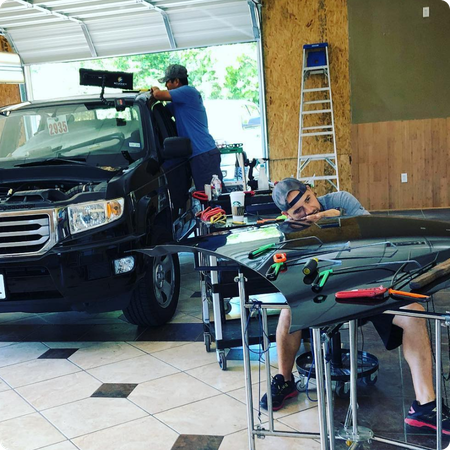
Paintless dent repair is a strong fit for a wide range of vehicles, including cars, trucks, and SUVs. Modern vehicles with flexible steel panels and even many with aluminum panels respond well to the technique when the paint has stayed intact. The key factor is the condition of the surface at the damage site, not the vehicle type itself.
Many of the vehicles we see come in with damage from everyday life. A shopping cart that rolled into a quarter panel, a car door that swung open in a parking lot, or a baseball-sized hailstone that left marks across the roof and trunk. Whatever the cause, the repair process follows the same careful steps. Each dent gets individual attention, and the result is a clean, original-looking panel without any filler or fresh paint.
Ready to Schedule Your Dent Repair Today
Choosing the right shop for dent repair matters more than most people realize. When your car leaves a body shop with filler and fresh paint, you lose the original factory finish and likely some of the vehicle's resale value. Paintless dent repair keeps all of that intact by working the metal back to its original position without any chemicals or coatings involved.
Our process starts with a thorough look at each dent before any tools come out. We assess the depth, size, and location to determine whether PDR is the right fit. Most everyday dents, parking lot dings, and even minor hail damage respond well to this method. When it works, the result is a panel that looks exactly as it did before the damage occurred.
If you are ready to get your vehicle looking right again, reach out to our team. We will walk you through what to expect, answer any questions you have, and get your car scheduled quickly. Tyler, Longview, and Lindale area drivers are always welcome.
Frequently Asked Questions
What exactly is paintless dent repair and how does it work?
Paintless dent repair is a technique where a trained technician removes dents from a vehicle's body panels without using paint, filler, or sanding. The technician accesses the back of the damaged panel and uses specialized tools to carefully push or massage the metal back to its original shape. The paint surface stays completely undisturbed throughout the entire process, which is what makes PDR different from traditional auto body repair.
Will paintless dent repair work on my specific type of dent?
PDR works best on dents where the paint has not cracked and the metal has not been stretched beyond its natural elasticity. Most common dents, including door dings, minor hail damage, and small body dents, fall within that range. A technician can tell you quickly whether your specific dent is a good candidate. If it is not, we will be straightforward about the alternatives.
Is my factory paint at risk during a paintless dent repair job?
No. One of the main advantages of paintless dent repair is that your original factory paint stays completely intact. The technician never sands, primes, or applies new paint during the process. The work happens entirely on the metal underneath, so the paint surface is not disturbed. This is why PDR helps preserve resale value and why vehicles repaired this way show no signs of repainting on a Carfax report.
How long does a typical paintless dent repair appointment take?
Most single dent repairs are completed within one to two hours. Smaller dings sometimes take less time. Jobs involving several dents or a full hail inspection may take longer, depending on the scope of work. Our team will give you an honest time estimate before the appointment so you know what to plan for. Same-day completion is common for standard repairs.
How much does paintless dent repair typically cost in Tyler TX?
Pricing depends on the number of dents, their size, depth, and location on the vehicle. A single small ding typically costs much less than a multi-panel hail repair job. Because PDR does not involve paint or filler materials, it is generally more affordable than traditional body shop work. We provide a clear estimate before any work begins so there are no surprises when the job is done.
When is paintless dent repair not a good option for my car?
Paintless dent repair is not a good fit when the paint has already cracked, chipped, or peeled at the point of impact. Once paint integrity is broken, traditional body shop repair methods are needed to restore the finish properly. Very deep dents that have stretched the metal beyond its natural recovery point may also fall outside the range of what PDR can correct. A quick assessment will clarify your options.
Can paintless dent repair fix damage on aluminum body panels?
Many aluminum panels can be repaired with PDR, though aluminum behaves differently than steel. It tends to be less flexible and can be more prone to cracking if too much pressure is applied. Technicians who are trained specifically on aluminum panels can still achieve strong results on many vehicles. A quick look at the damage site will tell us whether aluminum PDR is a realistic option for your car.
Does paintless dent repair work on shallow creases in body panels?
Paintless dent repair works on a wide range of dent types, including minor creases. Shallow creases that have not caused paint cracking can often be worked out with standard PDR tools. Deeper or sharper creases may require more time or a combination of techniques, but many crease repairs are completed successfully without any paint or filler. A technician assessment will clarify what is possible for your specific crease.
Can paintless dent repair be done on door panels specifically?
Yes, door panels are one of the most common areas we treat. Door dings from shopping carts, adjacent car doors, and tight parking spaces are frequent. As long as the paint has not cracked or chipped at the point of impact, PDR is a strong option. The technique accesses the back side of the door panel and gently moves the metal outward until the surface is flat again.
Do you offer a warranty on paintless dent repair work completed?
Yes. Our team stands behind the work we do. Paintless dent repair, when performed correctly, produces a permanent result because the metal is returned to its original shape. We take pride in that outcome and want every customer to feel confident in the quality they receive. If something does not meet the standard we set, we will make it right.
Contact Info
Service Hours
Social Media
Mon-Fri: 8:00AM - 5:00PM
Saturday: Closed
Sunday: Closed



Licensed & Insured
Connect With Our Socials
Contact Info
Service Hours
Mon-Fri: 8:00AM - 5:00PM
Saturday: Closed
Sunday: Closed
Social Media
Licensed & Insured
©2026 Precise Dent Repair
Powered by: Customers Plus
Powered by: Customers Plus
Powered by: Customers Plus